
So, you’re dreaming of a bigger kitchen, a cozy sunroom, or maybe an extra bedroom for your growing family. A home addition is a fantastic way to gain extra space without the hassle of moving. But before you start picking paint colors or browsing Pinterest for design ideas, let’s talk about something way less glamorous—but absolutely critical: your foundation.
Yep, that slab of concrete (or crawl space or basement) under your addition can make or break your entire project—literally. A proper foundation isn’t just about holding up the walls; it’s about protecting your investment, preventing structural nightmares, and keeping your home safe for the long haul.
According to the American Society of Civil Engineers, more than one in four homes in the U.S. will experience structural damage due to foundation issues at some point. That’s not a stat you want to be part of—especially if you’re building something new.
Why a Strong Foundation Is Non-Negotiable
Let’s break down why skipping or cutting corners on your foundation can cause a domino effect of problems:
- Stability & Safety: A good foundation ensures your new structure doesn’t shift, settle, or sink over time. Without it, cracks, uneven floors, or doors that won’t shut properly are just the beginning.
- Code Compliance: Local building codes often require specific foundation types depending on your soil conditions and structure weight. Ignoring this can delay permits or lead to fines.
- Moisture Protection: Poorly constructed foundations can let in moisture, which leads to mold, mildew, or even rotting wood. Not exactly what you want under your shiny new room.
- Seamless Integration: If your new foundation isn’t aligned properly with your existing one, it can cause visible mismatches—and bigger issues underneath.
- Resale Value: If you ever sell your home, a buyer’s inspector will look at that addition’s foundation. You’ll want them to give it two thumbs up.
What Goes Into a Quality Foundation?
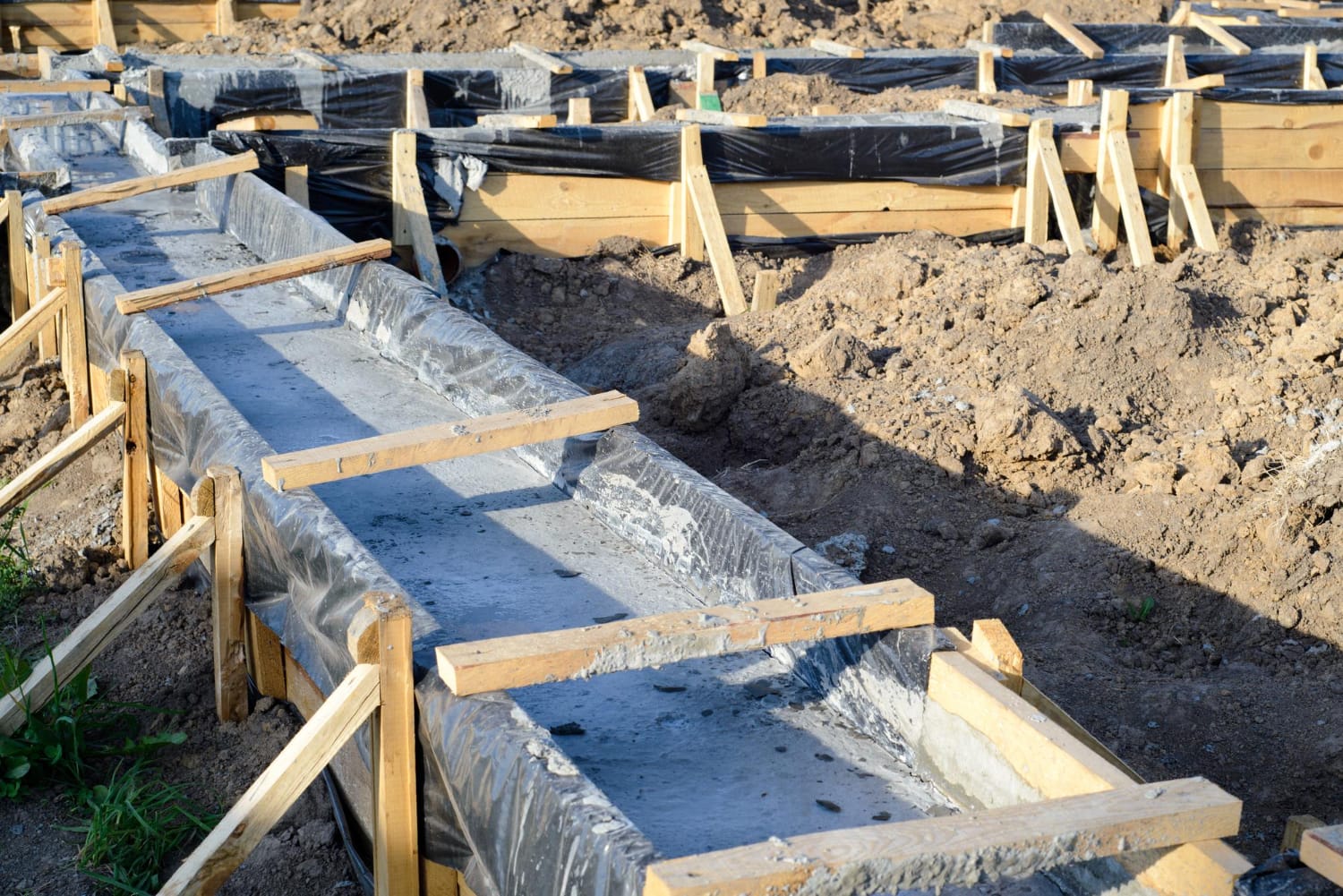
Foundation construction isn’t a one-size-fits-all deal. It all starts with a site assessment, where soil type and grading are evaluated to determine the best foundation style. Then comes excavation, reinforcement, and concrete pouring—a process that must follow specific mix ratios and curing times to meet strength standards (typically around 3,000 psi for residential foundations). Many contractors will also install waterproofing membranes and insulation at this stage to improve energy efficiency and moisture resistance.
In Conclusion
A home addition is more than just extra square footage—it’s an investment in your comfort, lifestyle, and property value. But none of that matters if the foundation doesn’t hold up. Whether you’re adding a second story, a sunroom, or an extended kitchen, make sure the project starts with a strong base.
If you’re ready to expand your home the right way, check out our home additions services to learn more about how we handle it from the ground up. For a solid start, don’t miss our expertise in foundation construction, and explore what we can do for your structural framing needs. Want to make it picture-perfect too? Browse our recent work on custom carpentry for some serious inspo.
Let’s lay the groundwork for something great—literally.